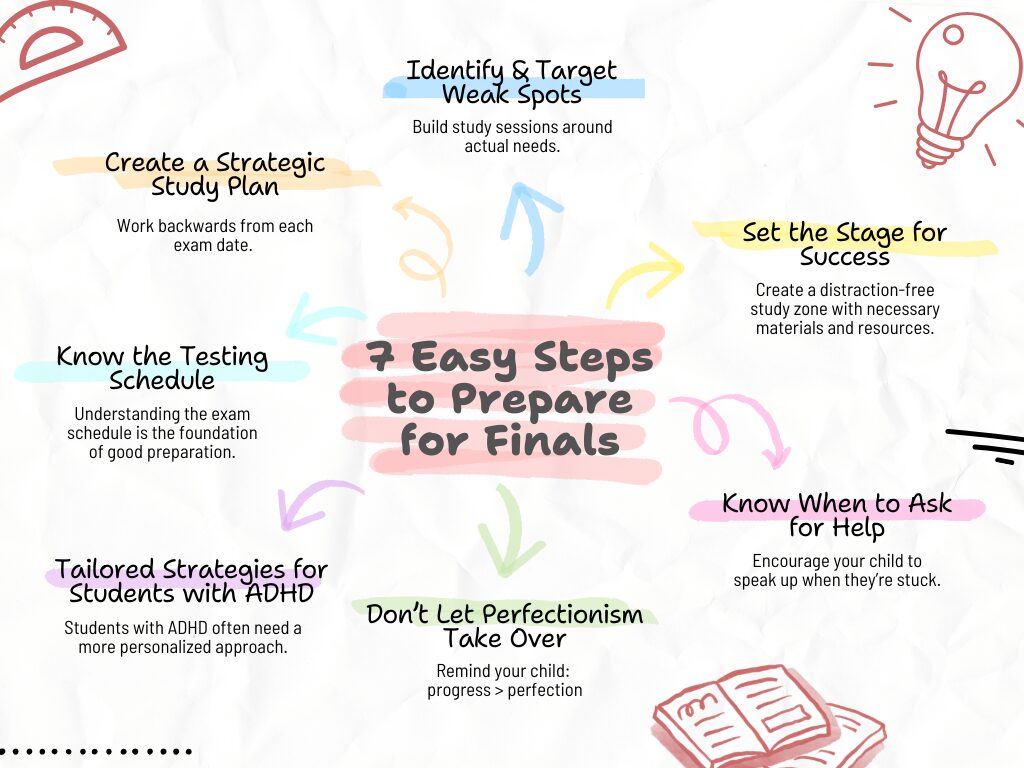
Final exams are one of the most important academic milestones in a student’s life.
They often decide overall grades, future opportunities, and academic progress. Because of this, many students feel pressure, stress, and confusion while preparing for them.
However, final exams do not have to be overwhelming. With the right strategy, they can be managed effectively and even confidently.
In 2026, where academic competition is increasing, smart preparation is more important than last-minute studying.
This guide explains a practical step-by-step approach to prepare for final exams efficiently.
Why Final Exams Feel Difficult
Final exams feel challenging because:
- the syllabus is large
- time is limited
- pressure is high
- multiple subjects need revision
- students often delay preparation
The problem is not the difficulty of exams—it is the lack of planning.
With proper strategy, final exams become manageable.
1. Start With a Clear Study Plan
A study plan is the foundation of final exam preparation.
Your plan should include:
- subjects to study
- daily schedule
- revision time
- practice sessions
Without a plan, studying becomes random and ineffective.
A structured plan gives direction and reduces stress.
2. Divide Your Syllabus Into Sections
Instead of looking at the full syllabus, break it into smaller parts:
- chapters
- topics
- subtopics
This makes preparation easier and more organized.
Small sections feel less overwhelming and help you track progress.
3. Focus on Important Topics First
Not all topics are equally important.
Identify:
- frequently asked questions
- high-weightage chapters
- easy scoring areas
Start with these topics first to maximize marks in less time.
Smart prioritization improves efficiency.
4. Use a Daily Study Routine
A consistent routine helps improve focus.
Example:
- Morning → difficult subjects
- Afternoon → practice questions
- Evening → revision
A fixed routine trains your brain to study regularly.
Consistency builds strong preparation.
5. Revise Regularly
Revision is essential for final exams.
Without revision:
- information is easily forgotten
- confusion increases
Use this method:
- daily quick revision
- weekly detailed revision
- final revision before exams
Repetition strengthens memory.
6. Practice Past Papers and Sample Tests
Past papers are extremely important.
They help you:
- understand exam patterns
- improve speed
- identify weak areas
Practice under timed conditions for better results.
This builds confidence and accuracy.
7. Focus on Weak Subjects Early
Do not ignore difficult subjects.
Instead:
👉 give extra time to weak areas early in preparation
Improving weak subjects increases overall performance significantly.
Avoid leaving them for the last moment.
8. Study in Focused Time Blocks
Long study hours reduce efficiency.
Instead use:
- 25–30 minutes focused study
- 5–10 minutes break
This improves:
- concentration
- retention
- productivity
Short sessions are more effective than long distracted study.
9. Avoid Last-Minute Cramming
Cramming creates stress and confusion.
Instead:
- study regularly
- revise daily
- practice consistently
Last-minute learning is less effective and increases anxiety.
10. Manage Stress and Stay Calm
Stress can affect exam performance.
To stay calm:
- take short breaks
- sleep properly
- avoid overthinking
A relaxed mind performs better in exams.
Confidence comes from preparation, not pressure.
Common Mistakes Students Make in Final Exam Preparation
Many students struggle because they:
- start too late
- skip revision
- ignore weak subjects
- rely only on memorization
- study without a plan
Avoiding these mistakes improves results significantly.
How Long Should You Study Daily?
For final exams:
- 4–6 focused hours daily is enough
But quality matters more than quantity.
Focused study is more effective than long distracted hours.
How to Stay Consistent During Preparation
To maintain consistency:
- follow a fixed routine
- set daily goals
- track progress
- avoid distractions
Small daily effort leads to strong preparation.
Final Thoughts
Final exams are not about panic or pressure—they are about smart preparation and consistent effort.
When you:
- follow a structured plan
- revise regularly
- practice past papers
- focus on important topics
your performance improves significantly.
Every student can succeed in final exams with the right strategy.
Because in the end, final exams are not just a test of knowledge.
They are a test of preparation, discipline, and smart execution.