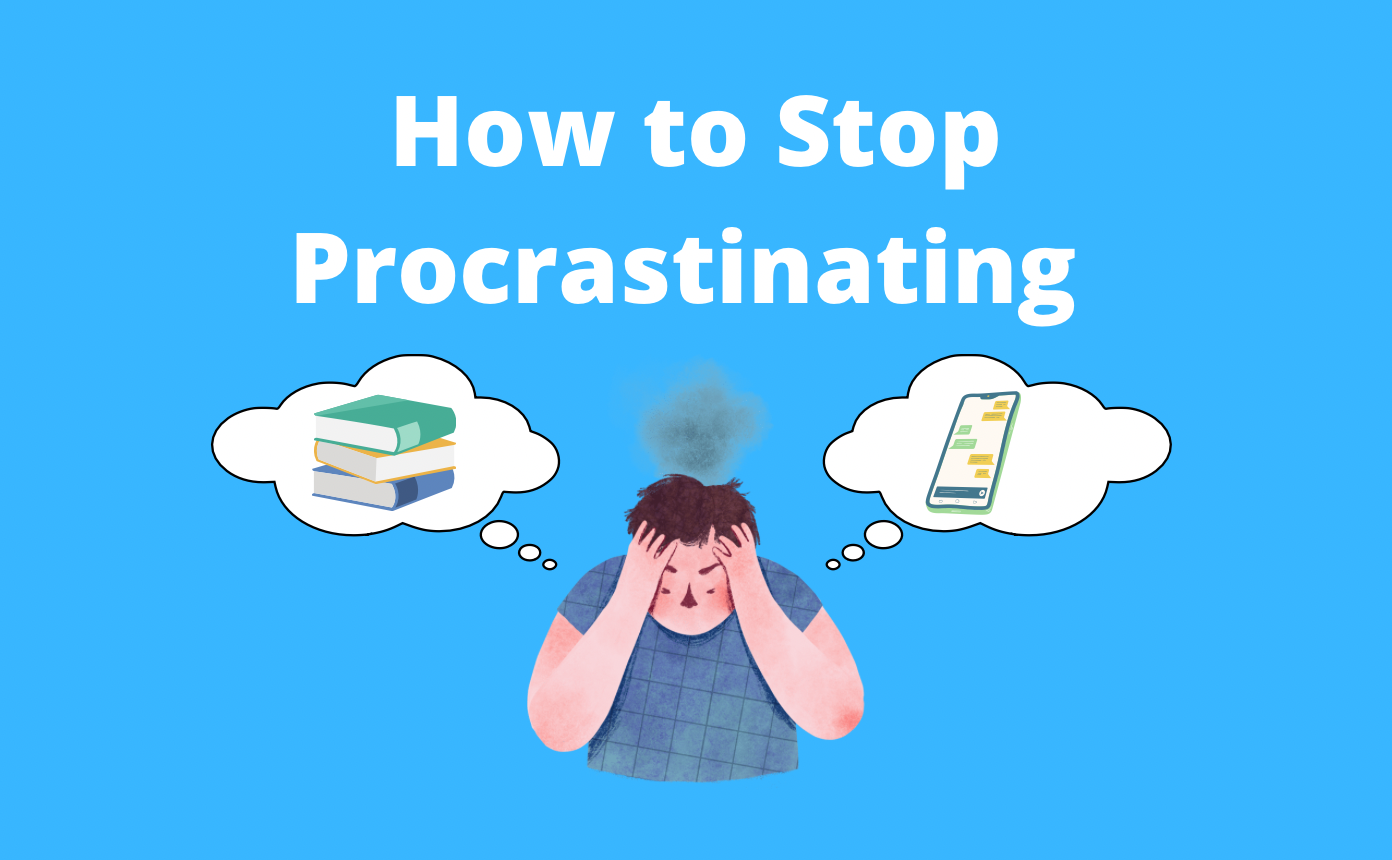
Procrastination is one of the biggest problems students face today.
You plan to study, but delay it. You open your books, but get distracted. You decide to start later, and “later” keeps getting pushed forward.
In the end, work piles up, stress increases, and preparation suffers.
In 2026, with constant digital distractions and short attention spans, procrastination has become even more common among students. But the good news is: it can be controlled and reduced with the right approach.
This guide explains practical, real-life strategies to overcome procrastination and build consistent study habits.
What Is Procrastination?
Procrastination means:
👉 delaying important tasks even when you know they need to be done
It often happens when:
- a task feels difficult
- you feel unmotivated
- you are distracted
- you feel overwhelmed
It is not laziness—it is a habit of avoidance.
1. Start With the Smallest Step
One of the main reasons for procrastination is thinking too much about the task.
Instead of:
- “I have to study the whole chapter”
Start with:
👉 “I will study for just 5 minutes”
Once you start, continuing becomes easier.
Starting is the hardest part—and also the most important.
2. Break Tasks Into Small Pieces
Big tasks feel overwhelming, which leads to delay.
Instead of studying everything at once:
- divide topics
- break chapters into sections
- set small goals
For example:
- read 2 pages
- solve 5 questions
- revise one topic
Small steps reduce mental pressure.
3. Use the 5-Minute Rule
This is a powerful technique:
👉 Commit to studying for just 5 minutes
After 5 minutes, you will often continue naturally.
Why it works:
- reduces resistance
- removes pressure
- builds momentum
Most procrastination disappears once you start.
4. Remove All Distractions Before Starting
Distractions are a major cause of procrastination.
Before studying:
- keep your phone away
- close unnecessary tabs
- study in a quiet place
If distractions are available, your brain will choose them over studying.
Environment matters.
5. Set Clear and Simple Goals
Unclear goals increase delay.
Instead of:
- “I will study today”
Use:
- “I will complete 1 topic”
- “I will solve 10 questions”
Clear goals give direction and reduce hesitation.
6. Use a Fixed Study Schedule
A flexible mindset increases procrastination.
A fixed routine helps you:
- build discipline
- reduce decision-making
- stay consistent
Example:
- Study at the same time daily
- Follow a simple routine
When studying becomes a habit, procrastination decreases.
7. Avoid Waiting for Motivation
Many students wait for motivation to start studying.
But motivation is unreliable.
Instead:
👉 take action even when you don’t feel like it
Once you start, motivation often follows.
Action creates energy—not the other way around.
8. Reward Yourself After Completing Tasks
Your brain responds well to rewards.
After studying:
- take a short break
- watch something you like
- relax for a few minutes
This creates a positive connection with studying.
Rewards reduce resistance to starting tasks.
9. Use Time Blocks for Study
Instead of studying randomly, use structured time blocks:
- 25–30 minutes study
- 5–10 minutes break
This method:
- improves focus
- reduces delay
- increases productivity
Short sessions make starting easier.
10. Stop Overthinking the Task
Overthinking leads to delay.
Students often think:
- “It is too difficult”
- “I will do it later”
- “I don’t feel ready”
Instead:
👉 focus only on the next small step
Action reduces thinking. Thinking increases delay.
Common Procrastination Mistakes
Many students struggle because they:
- wait for perfect time
- rely on motivation
- start too many tasks at once
- use phones while studying
- avoid difficult topics
Fixing these habits reduces procrastination quickly.
How Long Does It Take to Reduce Procrastination?
With consistent effort:
- 1 week → better awareness
- 2–3 weeks → improved control
- 1–2 months → strong habit change
Progress comes through daily action.
Final Thoughts
Procrastination is not a permanent problem—it is a habit that can be changed.
When you:
- start small
- break tasks into steps
- remove distractions
- follow a routine
you naturally reduce delay and increase productivity.
Every student struggles with procrastination, but successful students learn how to overcome it.
Because in the end, success is not about planning endlessly.
It is about starting, continuing, and completing what matters.