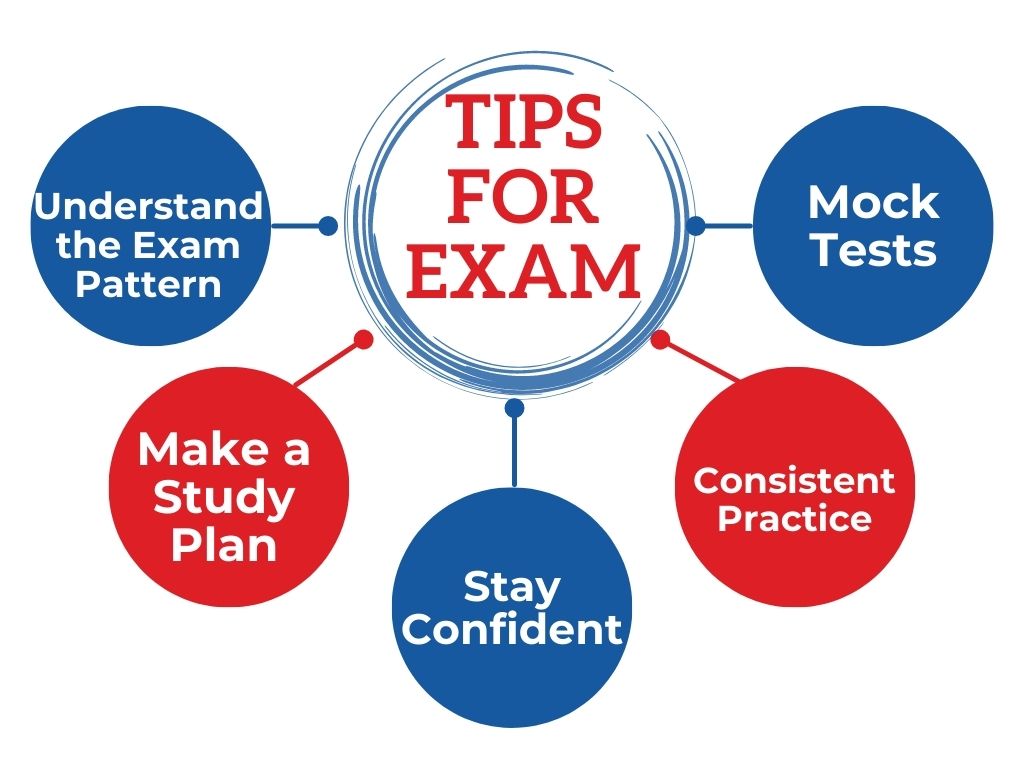
Preparing for exams in one month may feel stressful, especially when the syllabus is large and time is limited. Many students panic at this stage and try to study everything at once, which usually leads to confusion and burnout.
The truth is: one month is enough to prepare well if you follow a structured and smart strategy.
In 2026, where exams are more competitive and time management is crucial, having a clear 30-day study plan can make a big difference in performance.
This guide explains a practical step-by-step approach to help you prepare effectively in one month.
Why One-Month Preparation Works
One month is sufficient because:
- it allows focused revision
- it gives time for practice
- it helps build memory through repetition
- it reduces last-minute pressure
But only if you use your time wisely.
Random studying will not work. Structure is the key.
1. Divide the Month Into Phases
Instead of studying randomly, divide 30 days into 3 phases:
Phase 1: Learning (Days 1–15)
- cover important topics
- understand concepts
- make short notes
Phase 2: Practice (Days 16–25)
- solve questions
- attempt past papers
- identify weak areas
Phase 3: Revision (Days 26–30)
- revise notes
- focus on key formulas
- quick revision of weak topics
This structure keeps preparation organized and stress-free.
2. Prioritize Important Topics First
Not all topics carry equal importance.
Focus on:
- high-weightage chapters
- frequently asked questions
- easy scoring areas
Smart students always prioritize what matters most.
This saves time and increases marks.
3. Create a Daily Study Schedule
A daily plan is essential during one-month preparation.
Example:
- Morning → Difficult subjects
- Afternoon → Practice questions
- Evening → Revision
Keep your schedule simple and realistic.
Consistency is more important than long study hours.
4. Use Short Study Sessions
Long study hours can reduce focus.
Instead, use:
👉 25–30 minute study sessions
👉 5–10 minute breaks
This improves:
- concentration
- memory retention
- productivity
Short sessions help maintain energy throughout the day.
5. Make Quick and Simple Notes
During one-month preparation, detailed notes are not useful.
Instead:
- write short points
- highlight formulas
- use bullet summaries
These notes will help during revision days.
Keep it simple and effective.
6. Practice Past Papers Daily
Past papers are extremely important in short-term preparation.
They help you:
- understand exam patterns
- improve speed
- identify weak areas
Try solving at least one paper every day during the practice phase.
Practice builds confidence.
7. Focus on Weak Areas Early
Do not ignore difficult subjects.
In the first phase:
👉 identify weak topics
👉 give them extra time
Improving weak areas increases overall score significantly.
Avoiding them leads to stress later.
8. Revise Regularly
Revision is the key to memory.
Without revision:
- you forget topics quickly
With revision:
- knowledge becomes strong
Revise:
- daily (small revision)
- weekly (full overview)
- final days (quick revision)
Repetition strengthens memory.
9. Avoid Distractions Completely
During one-month preparation, distractions must be controlled.
Avoid:
- excessive phone use
- social media scrolling
- unnecessary breaks
Study in a focused environment.
Even small distractions reduce efficiency.
10. Stay Calm and Confident
Stress can reduce performance even if preparation is good.
To stay calm:
- follow your plan
- avoid overthinking
- trust your preparation
Confidence improves exam performance.
A calm mind thinks better.
Common Mistakes Students Make in One-Month Preparation
Many students fail to utilize time properly because they:
- start without a plan
- try to study everything equally
- ignore practice papers
- skip revision
- panic in the last week
Avoiding these mistakes improves results significantly.
How to Manage Time in 30 Days
Time management is critical:
- Week 1–2 → Learning phase
- Week 3 → Practice phase
- Week 4 → Revision phase
Stick strictly to your schedule.
Consistency is key.
How Long Should You Study Daily?
It depends on your capacity, but ideally:
- 4–6 focused hours daily is enough
More important than hours is:
👉 quality of study
Focused study beats long distracted study.
Final Thoughts
One-month exam preparation is challenging but absolutely possible with the right strategy.
When you:
- follow a structured plan
- prioritize important topics
- practice regularly
- revise consistently
you can achieve strong results even in limited time.
Remember, success in exams is not about panic or pressure.
It is about planning, discipline, and smart execution.
Because in the end, one month of focused effort can change your entire academic outcome.